Golf Cart Tires for Sale: A Comprehensive Buyer's Guide

The unassuming golf cart, once relegated to the manicured fairways of country clubs, has burst forth from its verdant confines to embrace a multitude of roles. From the bustling pathways of gated communities to the sprawling campuses of universities, and even the rugged terrains of light-duty industrial sites, these versatile vehicles are omnipresent. Yet, often overlooked amidst discussions of powerful motors, plush seating, or dazzling paint jobs, lies a component of paramount importance: the tires . The right set of golf cart tires can transform your riding experience, influencing everything from comfort and traction to energy efficiency and longevity. The sheer variety available today, however, can be bewildering. This comprehensive guide aims to demystify the world of golf cart tires , providing you with the knowledge to make an informed purchase that perfectly aligns with your specific needs and driving environment.
Understanding the Anatomy of a Golf Cart Tire: More Than Just Rubber
Before diving into the vast marketplace of golf cart tires for sale , it's crucial to grasp the fundamental elements that constitute these seemingly simple circles of rubber. Each component plays a vital role in the tire's overall performance.
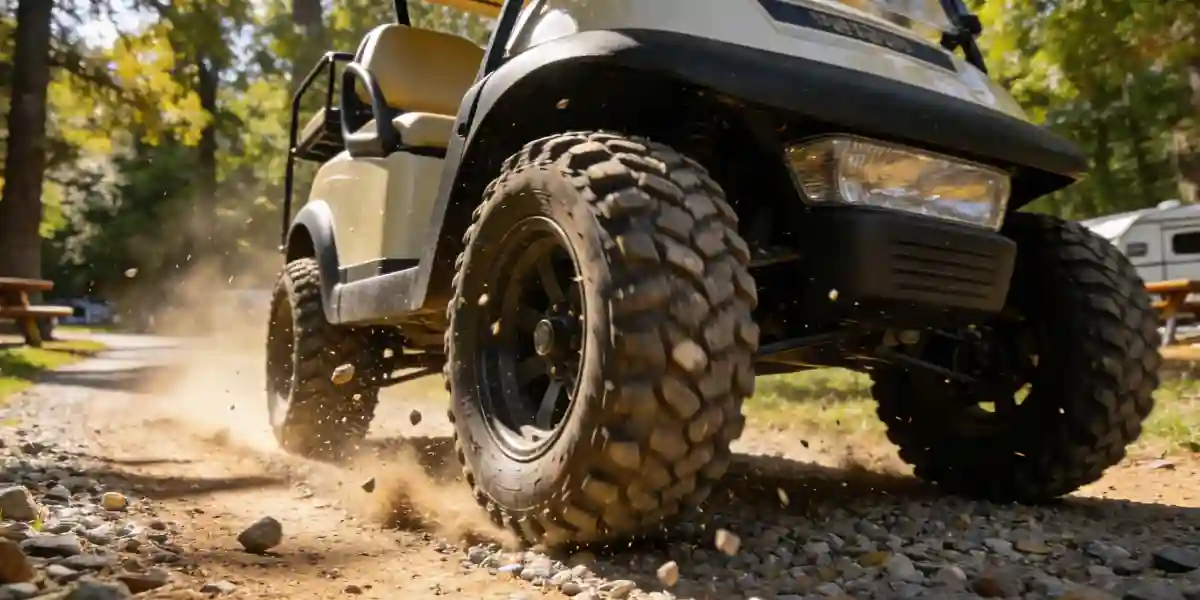
Tread : This is the outermost layer of the tire, the part that directly contacts the ground. Its design – the arrangement of grooves, sipes, and blocks – dictates traction , water displacement, and noise levels. Different tread patterns are optimized for specific surfaces, from smooth asphalt to loose gravel.
Sidewall : The sidewall is the vertical section between the tread and the bead. It provides structural integrity, supports the vehicle's weight, and absorbs impacts. Information such as tire size , load rating , and ply rating is typically found here.
Bead : The bead is the inner edge of the tire that sits snugly against the wheel rim. Reinforced with steel wires, it creates an airtight seal, preventing air leakage and keeping the tire securely in place.
Carcass (or Casing) : This is the foundational structure of the tire, composed of multiple layers of fabric (often polyester or nylon) embedded in rubber. The carcass provides the tire's strength and shape, determining its load-carrying capacity and resistance to punctures .
Belt (for radial tires) : In radial tires , a layer of steel or fabric belts is positioned beneath the tread. These belts enhance tread stability, improve handling, and contribute to a smoother ride. Bias-ply tires typically lack this belt layer.
Demystifying Tire Specifications: What Do All Those Numbers Mean?
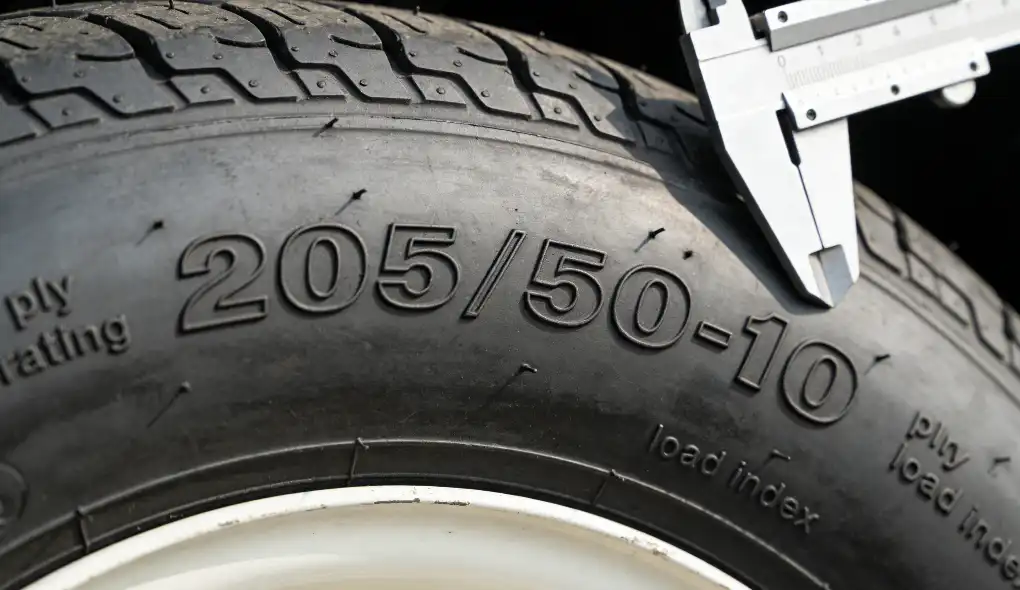
When you start browsing golf cart tires for sale , you'll encounter a string of numbers and letters on the sidewall. Understanding these specifications is paramount to selecting the correct tire for your cart.
Let's break down a common example: 205/50-10
205 : This number represents the tire's section width in millimeters, measured from sidewall to sidewall. In essence, it tells you how wide the tire is.
50 : This is the aspect ratio , indicating the height of the sidewall as a percentage of the tire's width. In this case, the sidewall height is 50% of 205mm. A lower aspect ratio generally means a shorter sidewall, offering sharper handling but potentially a harsher ride. A higher aspect ratio provides more cushioning.
- (dash) or R : A dash typically denotes a bias-ply construction, while an "R" signifies a radial tire. We'll delve into the differences between these constructions shortly.
10 : This number indicates the diameter of the wheel rim in inches that the tire is designed to fit. It's crucial to match this to your existing wheels, or if you're buying new wheels, to ensure compatibility.
Other important specifications to look for include:
Ply Rating (PR) : This refers to the tire's strength and load-carrying capacity . It's an index, not the actual number of plies. A higher ply rating signifies a more robust tire, less susceptible to punctures and capable of handling heavier loads. Common golf cart ply ratings range from 2-ply (light-duty, standard golf course use) to 6-ply or even 8-ply (heavy-duty, utility carts, rough terrain).
Load Index : An alphanumeric code that directly correlates to the maximum weight a single tire can safely carry. Refer to a load index chart to determine the actual weight capacity.
Speed Rating : An alphabetical code indicating the maximum safe speed for the tire. For golf carts, speed ratings are generally lower than those for passenger vehicles, but it's still an important consideration if you operate your cart at higher speeds or on public roads where allowed.
DOT Compliance : Look for the "DOT" stamp, indicating that the tire meets the safety standards set by the U.S. Department of Transportation. This is particularly important if you plan to operate your golf cart on public roads (where legally permitted and equipped with the necessary safety features).
Bias-Ply vs. Radial: The Great Construction Debate
One of the most significant distinctions when perusing golf cart tires for sale is between bias-ply and radial construction. Each offers distinct advantages and disadvantages.
Construction : The layers of fabric (plies) run diagonally from bead to bead, crisscrossing each other.
Pros : Generally less expensive, offer a stiffer sidewall (which can be beneficial for stability on uneven terrain), and are often more resistant to punctures from the sidewall. They conform well to road irregularities.
Cons : Can generate more heat at higher speeds, leading to faster wear. They may offer a less comfortable ride and less precise handling compared to radials.
Best For : Standard golf course use, slower speeds, utility carts carrying heavy loads, or those seeking a more economical option.
Construction : The plies run perpendicular to the direction of travel, and a separate layer of steel or fabric belts is placed beneath the tread.
Pros : Offer a smoother ride, better fuel efficiency, improved traction (especially in wet conditions), longer tread life, and more precise handling due to the independent flexing of the sidewall and tread. Generate less heat.
Cons : Typically more expensive, and their softer sidewall can sometimes be more susceptible to sidewall punctures (though this is less common with golf cart tires than with passenger car tires).
Best For : Carts used frequently on pavement, higher speeds, those prioritizing ride comfort and handling, or extended daily use.



Send us an inquiry and our sales team will reply within one business day
Contact Us